
Geriatric Psychiatry: Cognitive Health & Emotional Wellness in Later Life
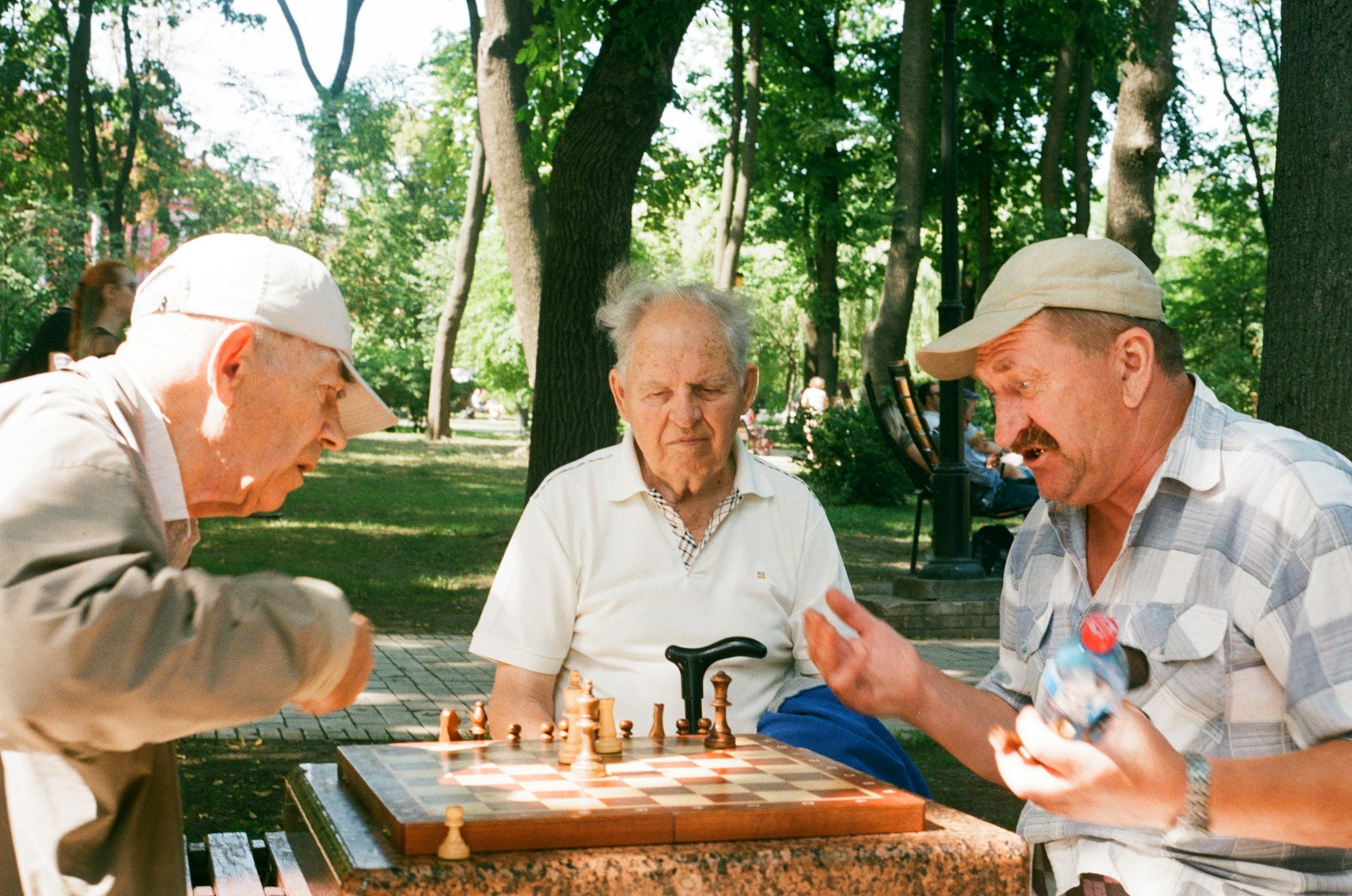
The "Mask" of Geriatric Depression
In older populations, depression rarely looks like "sadness." It often presents as:
Pseudodementia: Cognitive symptoms (confusion, forgetfulness) that are actually caused by a treatable mood disorder.
Somatic Complaints: Unexplained physical pain, gastrointestinal issues, or chronic fatigue.
Social Withdrawal: A "shrinking" of the patient’s world, often mistaken for simple reclusiveness or adjusting to the natural loss of friends and family that comes with age.
Evaluating Mild Cognitive Impairment (MCI)
Not all memory loss is dementia. Our evaluation process focuses on identifying the root cause of "senior moments" and cognitive shifts.
MCI vs. Normal Aging: We look at the nuances of executive function, word-finding, and recall to determine if intervention is needed.
Is it ADHD or Cognitive Decline? Many high-achieving adults have managed undiagnosed ADHD for decades. That said, goals of treatment must necessarily be adjusted for older adults, so even if there is a strong history suggesting a lifetime of undiagnosed ADHD, we will address it differently than in a 20-year old college student. Distinguishing between the two is critical for proper treatment, and MCI is much more likely than undiagnosed ADHD in older adults.

Supporting the Support System: Caregiver & Family Guidance
When a loved one struggles with cognitive decline or dementia, the entire family is affected. We provide a dedicated space for caregivers to navigate:
Ambiguous Loss: Grieving for a loved one who is still physically present but cognitively changed.
Behavioral Management: Strategies for handling the agitation, sun-downing, or personality shifts associated with neurocognitive disorders.
Burnout Prevention: Professional support for the "sandwich generation" managing both their children and their aging parents.
The Danger of Polypharmacy
One of the most impactful services we provide is a Comprehensive Medication Review. Older adults are frequently prescribed multiple medications by different specialists, leading to a "prescribing cascade." Many psychiatric symptoms in seniors—such as confusion, falls, or sedation—are actually side effects of drug-to-drug interactions.
Adding medications to address symptoms, without treating underlying causes, is the main cause of polypharmacy. With older adults, less is often more.
Our Goal: To simplify the regimen, reduce unnecessary "chemical burdens," and optimize only what is essential for quality of life.

A Specialized Approach to Healthy Aging
Mental health in later life is complex. Symptoms of anxiety or forgetfulness are often dismissed as "just part of getting older," but they frequently stem from treatable conditions.
As a private-pay practice, I am opted out of Medicare. This allows us to move beyond the constraints of brief, insurance-mandated visits. We take the time necessary for comprehensive diagnostic deep-dives, family consultations, and the careful coordination of care that older adults deserve.
Geriatric Care FAQ
-
Yes. Because I have "opted out" of Medicare, I can see Medicare-eligible patients as private-pay clients. You will sign a simple private contract acknowledging that neither you nor I will seek reimbursement from Medicare. This allows for longer appointments and more direct access to your doctor.
-
Currently, I see patients in-person at my Philadelphia and Ambler offices. For issues of cognitive decline and dementia, I do require at least one initial appointment in the office.
-
Socializing! Study after study has shown that the more social we are as we age, the more resilient our brains remain. So get your loved one out of the house and interacting with other people whenever you can.
-
Yes. I frequently communicate with primary care doctors and other specialists to ensure everyone is on the same page when it comes to your care.