
In recent years, a botanical supplement once tucked away in the corners of specialty health stores has moved into the mainstream. Kratom, derived from the Mitragyna speciosa tree native to Southeast Asia, is now found in gas stations, vape shops, and online marketplaces across the country.
However, new data from 2025 and early 2026 reveals a concerning trend: kratom-related calls to poison centers have surged by over 1,200% in the last decade, with a dramatic spike occurring just last year. As hospitalizations and overdose reports rise, it is more important than ever to understand what this substance is and why it's posing a growing public health risk.
What is Kratom?
Kratom is a tropical evergreen tree in the coffee family. For centuries, its leaves were chewed or brewed into tea by laborers in Southeast Asia to combat fatigue. Today, it is typically sold in the U.S. as a green powder, in capsules, or as potent liquid extracts.
The drug is unique because its effects are dose-dependent, meaning it acts differently depending on how much is consumed:
Low Doses (Stimulant): In small amounts (1–5 grams), kratom acts like a stimulant. Users report feeling more alert, energetic, and talkative.
High Doses (Opioid-like): At higher doses (5–15 grams), the primary alkaloids in the plant—mitragynine and 7-hydroxymitragynine—interact with the mu-opioid receptors in the brain. This produces sedative effects, pain relief, and euphoria similar to morphine or oxycodone.
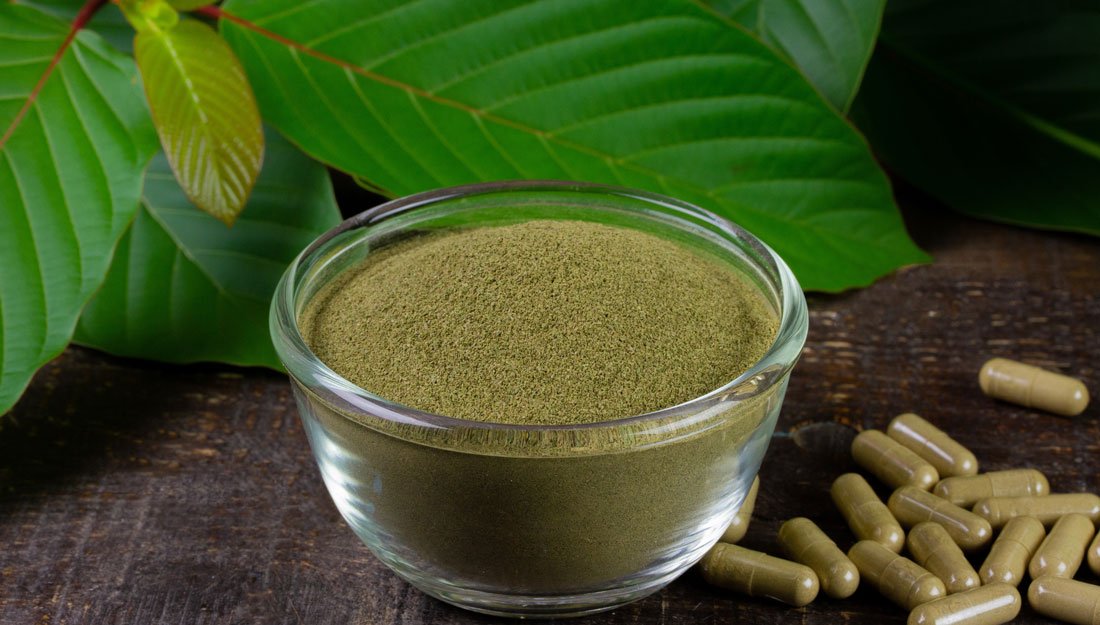
Kratom is typically sold as a green powder, often in capsule form.
The "Natural" Trap and Easy Availability
Because kratom is marketed as a "natural" herb or a "dietary supplement," many users perceive it as a safe, non-addictive alternative to prescription painkillers or illicit drugs. This perception, combined with its wide availability, has fueled its popularity.
Unlike controlled substances, kratom remains legal at the federal level, though it is in a "regulatory gray area." While some states have moved to ban or regulate it, in much of the country, it remains as easy to purchase as a pack of gum. This accessibility has led to a rise in "polysubstance" exposures, where kratom is mixed with alcohol or other medications, significantly increasing the risk of a fatal overdose.
The Reality of Withdrawal
While many people use kratom to self-treat chronic pain or even to wean themselves off of opioids, the plant itself can be highly addictive. Chronic users often find themselves trapped in a cycle of dependency, experiencing a withdrawal syndrome that mirrors traditional opioid withdrawal:
Physical symptoms: Muscle aches, tremors, sweating, and nausea.
Psychological symptoms: Severe anxiety, irritability, and "brain fog."
Others try kratom as a way to self-medicate ADHD, diagnosed or otherwise, only to later find that the negatives ultimately outweigh any positives. Unfortunately, patients are sometimes already hooked by the time they realize what has happened.
Treatment: The Role of Suboxone
Because kratom interacts with the same brain receptors as opioids, medical professionals have begun using Suboxone (buprenorphine/naloxone) to treat severe kratom use disorder.
Suboxone is a "partial agonist," meaning it occupies the opioid receptors enough to stop cravings and prevent painful withdrawal symptoms, but without producing the intense "high" associated with full opioids. While this treatment is considered "off-label" for kratom, recent clinical reports show it can be a highly effective tool in helping people safely transition away from the drug under medical supervision.
The fact that kratom withdrawal and addiction is treated with Suboxone should be enough to make users wary of its addictive potential.
Moving Forward
The recent surge in overdoses serves as a wake-up call. "Natural" does not always mean "safe," and the potency of modern kratom extracts—some of which are concentrated to dangerous levels—requires a new level of caution.
If you or someone you know is struggling with kratom use, it’s important to remember that help is available. Seeking professional medical advice is the safest way to navigate the complexities of withdrawal and recovery.
If you or a loved one are struggling with kratom use, reach out today.
Similarly, if you have tried kratom to ‘self-medicate,’ either for ADHD, depression, low energy, or any other number of problems, you may benefit from a thorough psychiatric evaluation.
Reach out today to schedule your psychiatric evaluation in Philadelphia for untreated ADHD or low mood.